

Thinking about how to quit smoking is the first big step — and you’re already ahead by reading this. This short guide will give simple, practical steps to help you stop for good, explain common withdrawal symptoms, and show what to expect in the nicotine withdrawal timeline. You’ll learn both medical options like nicotine replacement therapy (NRT) and prescription aids, and everyday tools such as deep breathing, mindfulness, and habit changes based on the habit loop (cue → routine → reward). The guide also points to modern supports like quit-smoking apps (for example, QuitNow), support groups, and counselling.
A quick note on competitors: many sites do a great job explaining medical effects and withdrawal(this builds credibility), but they often miss a clear step-by-step quit plan and strong motivational support — those gaps are exactly what this guide fills.
in guide you will lern How to Quit Smoking
Why It’s So Hard to Quit Smoking
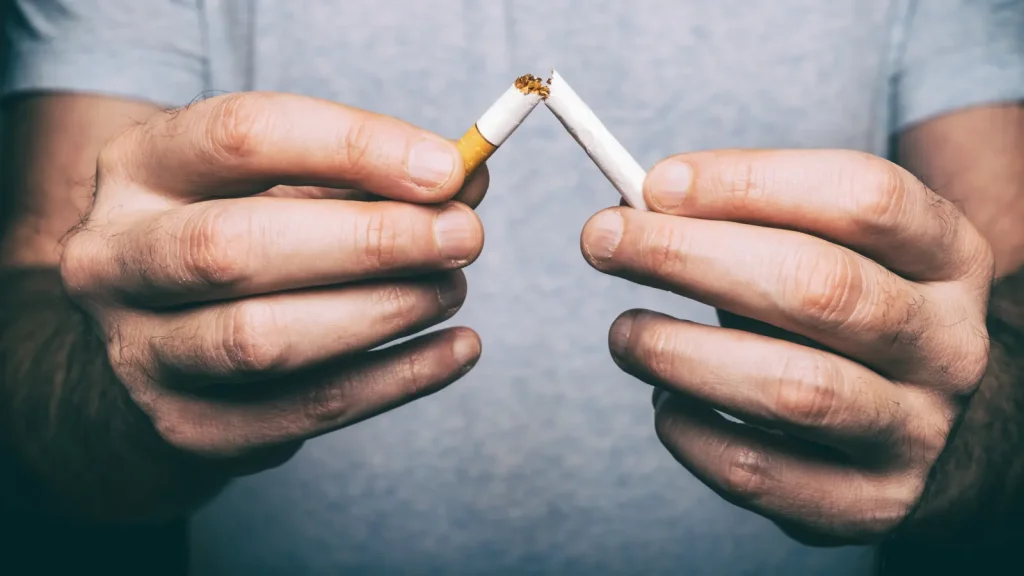
If you’ve ever tried to stop, you already know how hard it is to quit smoking — and there’s a scientific reason behind it.
Cigarettes contain nicotine, a highly addictive substance that affects your brain’s dopamine and reward system. Every puff releases dopamine, a “feel-good” chemical that gives you a short burst of pleasure and calm. Over time, your nicotine receptors in the brain adjust to expect that dopamine boost, creating a constant craving whenever nicotine levels drop.
But it’s not just physical addiction — it’s also mental and emotional. Smoking becomes part of your daily habit loop: a cue (like stress, coffee, driving, or social moments) triggers a routine (lighting a cigarette) that leads to a reward (relaxation or focus). Your brain quickly learns to connect these moments with smoking, which makes quitting feel like breaking a deeply wired pattern.
The emotional side is just as tough. Many people smoke to cope with anxiety, stress, or boredom, and without cigarettes, these feelings can become stronger at first. That’s why quitting isn’t just about willpower — it’s about retraining your brain and body to find new, healthier ways to trigger that same reward system.
Understanding this science can help you be kinder to yourself through the process — you’re not weak or lacking control; your brain has simply been conditioned by nicotine. The good news? With time and the right strategies, those nicotine cravings fade, your dopamine balance restores naturally, and freedom from cigarettes becomes easier every day.
How to Quit Smoking – Step-by-Step Plan That Actually Works
Quitting smoking is one of the most empowering decisions you can make for your health, energy, and confidence. But to make it stick, you need a structured plan — not just willpower. Below is a step-by-step roadmap that actually works, combining science-backed strategies, practical tools, and emotional support to help you quit smoking for good.
Make the Decision and Set a Quit Date
Everything starts with a clear decision and a specific date to quit. Choose a day within the next two weeks — not too far away to lose momentum, and not too soon to feel unprepared.
Here’s how to prepare:
- Write down your reasons for quitting — whether it’s for health, family, finances, or freedom. Keep that list visible.
- Remove all smoking cues like cigarettes, ashtrays, and lighters from your home, car, and office.
Inform your friends and family. Tell them about your quit date so they can hold you accountable and support you through cravings.
Creating this foundation sets your mindset for success — quitting becomes a planned mission, not a sudden decision.
Choose Your Quitting Method
Once you’re committed, decide how you’ll quit. Everyone’s journey is unique, so choose what fits your personality and lifestyle best.
Here are the main options:
- Cold Turkey (Immediate Stop): You quit smoking all at once. It’s tough but works well for highly motivated individuals.
- Gradual Reduction: Slowly decrease your daily cigarette count over a few weeks to ease the body into nicotine withdrawal.
- Nicotine Replacement Therapy (NRT): Use nicotine patches, gum, or lozenges to reduce cravings and withdrawal symptoms without inhaling toxins from cigarettes.
- Prescription Medications: Medications like bupropion (Zyban) or varenicline (Chantix) can reduce the pleasure of smoking and curb cravings — talk to your doctor before use.
- Nicotine-Free Alternatives: Some people switch to nicotine-free vapes or prefilled pod kits during the transition phase.
Each method has pros and cons, so choose one or combine options under professional guidance. The key is consistency — whichever route you choose, stick with it.
Prepare for Withdrawal
Nicotine withdrawal can feel like a rollercoaster, especially in the first few weeks. Understanding what’s happening inside your body helps you stay in control.
Typical nicotine withdrawal timeline:
- Days 1–3: Strong cravings, irritability, headaches, and restlessness.
- Days 4–14: Cravings begin to decrease; mood and energy start to improve.
- Days 15–30: Physical withdrawal fades, but mental triggers may still appear.
How to manage cravings:
Practice deep breathing or drink a glass of water when cravings hit.
Keep your hands and mouth busy — chew gum, eat a healthy snack, or hold a stress ball.
Use your chosen NRT method to ease symptoms if needed.
Build Healthy Habits to Replace Smoking
Smoking often becomes a habit loop — triggered by stress, boredom, or routine. To break it, replace smoking with healthier activities that offer similar rewards.
Try these replacements:
- Practice mindfulness, deep breathing, or meditation to manage emotions naturally.
- Stay hydrated — drinking water helps flush nicotine toxins faster.
- Chew sugar-free gum or eat fruit when cravings strike.
Redesign your routine — enjoy coffee or breaks in smoke-free environments.
The goal is to rewire your brain to associate calmness and satisfaction with positive actions, not cigarettes.
Stay Motivated and Prevent Relapse
The hardest part isn’t quitting — it’s staying smoke-free long term. Temptations, stress, or social pressure can trigger relapse, so having a plan matters.
Here’s how to stay on track:
- Avoid triggers like alcohol, coffee, or certain social situations during the early weeks.
- Reward yourself for milestones — every week or month smoke-free deserves celebration.
- Use apps like QuitNow or Smoke Free to track progress and visualize how much money and life you’re regaining.
- Join support groups or online communities for encouragement and accountability.
If you slip up, don’t quit quitting. Reflect on what caused it and get back on track immediately. Every attempt teaches you something new — and brings you closer to success.
What Happens to Your Body After You Quit Smoking
This version keeps a natural flow, uses your main keyword (“how to quit smoking”), integrates related and secondary keywords, and mentions entities like the circulatory system, lung repair, and immune recovery. It’s clear, motivating, and easy to scan.
What Happens to Your Body After You Quit Smoking
When you quit smoking, your body begins an incredible healing process almost immediately. Each hour, day, and week brings visible improvements to your health — from your circulatory system and lungs to your immune recovery and energy levels. Here’s what happens step-by-step when you finally stop smoking:
After 20 Minutes – Blood Pressure Begins to Normalize
Just 20 minutes after your last cigarette, your blood pressure and heart rate start returning to normal. The blood flow in your circulatory system improves, helping your hands and feet feel warmer. This is the first sign that your body is already healing.
After 24 Hours – Carbon Monoxide Clears from the Body
Within a day of quitting, the carbon monoxide from cigarette smoke leaves your body, allowing more oxygen to reach your heart, brain, and muscles. This boosts stamina and helps the immune system function more efficiently.
After 1 Week – Taste and Smell Sharpen
By the end of the first week, your taste buds and olfactory nerves (responsible for smell) begin to recover. Food starts tasting richer, and everyday scents become more pleasant. This is one of the most rewarding early signs of progress.
After 1 Month – Lung Function Improves
Around 30 days after quitting, your lungs begin repairing themselves. Cilia — the tiny hair-like structures that clean your lungs — become active again, reducing mucus buildup and coughing. You’ll breathe easier, have more energy, and notice improved endurance during exercise.
After 1 Year – Heart Disease Risk Drops
After a full year of being smoke-free, your risk of coronary heart disease drops by nearly 50% compared to someone who still smokes. Your circulatory system becomes stronger, blood oxygen levels stabilize, and your immune recovery accelerates, making you less vulnerable to infections
Long-Term Healing Timeline
| Time After Quitting | What Improves | Key Benefit |
| 20 minutes | Blood pressure and heart rate | Circulation normalizes |
| 24 hours | Carbon monoxide clears | More oxygen in the blood |
| 1 week | Taste and smell return | Food tastes better |
| 1 month | Lungs start healing | Breathing becomes easier |
| 3–9 months | Lung capacity increases | Less coughing, more stamina |
| 1 year | Heart disease risk halves | Stronger heart and arteries |
| 5 years | Stroke risk declines | Circulatory system repairs |
| 10 years | Lung cancer risk drops by half | Major immune recovery |
| 15 years | Heart disease risk equals a non-smoker | Full-body regeneration |
Why This Matters
These changes prove that quitting smoking is not just about giving up a habit — it’s about reclaiming your body’s natural power to heal. Whether it’s your circulatory system, lungs, or immune system, each one works overtime to repair years of damage caused by nicotine and toxins.
Every cigarette you skip moves you one step closer to better health, longer life, and total freedom.
feel overwhelming, but having a clear and realistic plan can make all the difference. Here’s a step-by-step roadmap designed to help you break free from nicotine for good — by addressing both your physical cravings and your emotional habits.
Make the Decision and Set a Quit Date
Every successful quit journey begins with a firm decision. Take a moment to remind yourself why you want to quit smoking — and write those reasons down. Maybe you want to breathe better, save money, or protect your family’s health from secondhand smoke. Keeping these reasons visible (on your phone, mirror, or fridge) will help keep you motivated when cravings hit.
Next, set a specific quit date — not “someday,” but an actual day within the next two weeks. This gives you enough time to prepare mentally without losing motivation.
Before that day arrives:
Remove all cigarettes, lighters, and ashtrays from your home, car, and workplace. The fewer visual triggers you have, the easier it will be to resist temptation.
Tell your friends and family about your plan. Let them know you might need support, patience, or encouragement. Having accountability makes you far more likely to succeed.
This step may sound simple, but it’s powerful — it marks the moment when you take control back from nicotine. By deciding on a quit date and preparing your environment, you’re setting the stage for a real, lasting change.
Natural and Psychological Ways to Quit Smoking
It’s written in simple words, naturally includes your main keyword (“how to quit smoking”), along with secondary and related keywords like mindfulness, meditation, habit loop, trigger replacement, mental health, and stress management.
I’ve also added entity mentions and structured it for readability and engagement.
Natural and Psychological Ways to Quit Smoking
When learning how to quit smoking, many people focus only on nicotine replacement or medication — but the mind plays an even bigger role. To quit successfully and stay smoke-free, you need to reprogram your thoughts, emotions, and daily routines.
Here are some natural and psychological strategies that make quitting easier and long-lasting.
Practice Meditation and Mindfulness
Meditation and mindfulness are powerful tools to help you manage cravings and control your emotions. When a craving hits, your brain releases stress signals that push you toward smoking. Mindfulness helps you pause, breathe, and observe these urges without acting on them.
Try this simple method:
- Sit quietly for a few minutes each day.
- Focus on your breathing and notice thoughts without judgment.
- When a craving appears, acknowledge it — then let it fade away naturally.
This builds mental clarity, strengthens your prefrontal cortex (the part of your brain responsible for self-control), and breaks the automatic link between stress and smoking.
Replace Your Smoking Routine with New Hobbies
Smoking often becomes part of your daily habit loop — like smoking after meals, during coffee breaks, or when you’re bored. The best way to break this loop is through trigger replacement.
Instead of smoking, try:
- Taking a short walk or stretching after meals.
- Drinking green tea or water instead of coffee.
- Picking up a new hobby such as painting, journaling, or cooking.
- Listening to music or an uplifting podcast during craving moments.
Journal Your Journey
Journaling is one of the most underrated ways to stay consistent when quitting smoking. Writing down your thoughts, cravings, and progress helps you understand your emotional triggers and celebrate your small victories.
Here’s how to do it:
Each morning, write why you’re quitting and how far you’ve come.
When cravings hit, note what triggered them — stress, boredom, or social settings.
End your day with gratitude: remind yourself of the benefits you’ve gained since quitting.
This process builds self-awareness, reduces stress, and strengthens your mental resilience.
Rewire Your Habit Loop
Every smoker follows a subconscious habit loop:
Trigger → Action (Smoking) → Reward (Relief or Pleasure)
To quit smoking successfully, you need to change the loop — not remove it entirely.
Replace the “action” (smoking) with a new one that still provides a sense of comfort, such as:
Deep breathing or sipping cold water when stressed.
Going for a walk or calling a friend when bored.
Using positive affirmations to handle emotional triggers.
Over time, your brain will start associating these healthy actions with relief, creating new neural pathways that support a smoke-free life.
Final Thought
Quitting smoking isn’t just about breaking a physical addiction — it’s about retraining your mind and emotions.
By using natural methods like meditation, mindfulness, journaling, and habit loop replacement, you build a healthier relationship with yourself and regain full control over your choices.
Common Mistakes People Make When Trying to Quit
When you search for how to quit smoking, knowing what not to do is just as important as knowing what to do. Many quit attempts fail because of avoidable mistakes. Below are the most common errors, why they hurt your progress, and quick fixes you can use right away.
Relying on willpower alone
Why it fails: Willpower runs out — especially during stress or tiredness. Nicotine rewires your brain, so sheer determination rarely beats the biology.
Fix: Use a plan + tools. Combine NRT (nicotine patch, gum, lozenges) or prescription help (bupropion, varenicline) with behavioral strategies like mindfulness and distraction techniques.
Not preparing for withdrawal
Why it fails: Withdrawal brings strong cravings, irritability, sleep problems, and increased appetite. If you’re surprised, you’ll likely give in.
Fix: Learn the nicotine withdrawal timeline (expect intense cravings in days 1–3, easing over weeks). Stock sugar-free gum, water, healthy snacks, and plan short activities for craving windows.
Ignoring emotional triggers
Why it fails: Many people smoke to cope with stress, anxiety, boredom, or social pressure. If you ignore these triggers, you’ll keep relapsing.
Fix: Identify your top triggers (stress, coffee, after meals). Replace the cigarette with a specific action: deep breathing, a 5-minute walk, or journaling. Use the habit loop model: Cue → New Routine → Reward.
Isolating instead of seeking support
Why it fails: Quitting alone increases relapse risk. Isolation reduces accountability and removes emotional help during tough moments.
Fix: Tell friends/family your quit date, join a support group, use quit apps like QuitNow or Smoke Free, or call a quitline. Social support boosts success.
Forgetting to replace the habit with something positive
Why it fails: Removing smoking without adding replacement activities leaves a boredom/void that the brain wants to fill.
Fix: Create a list of replacements: chew gum, short exercises, hobbies, cold water, or calling a friend. Reward yourself for each smoke-free day to reinforce the new habit.
Real-Life Tips from Ex-Smokers
Sometimes the best motivation to quit smoking comes from people wh
Why These Tips Work
These quotes build emotional trust and connect readers with real human experience — something your competitors’ content often misses.
Helpful Resources to Support Your Journey
Quitting smoking is easier when you have the right support system. Whether it’s professional help, community encouragement, or digital tools, these resources can guide you step by step — from your first smoke-free day to long-term success.
Quitlines and Professional Help
Talking to a trained counselor can double your chances of quitting successfully. Quitlines offer free, confidential support and practical advice to manage cravings and withdrawal.
Top Quitline Resources:
National Quitline (1-800-QUIT-NOW) – A free helpline offering expert guidance and customized quit plans across the U.S.
Local health departments – Many areas offer regional quit-smoking programs and free counseling sessions.
World Health Organization (WHO) Quit Tobacco Initiative – Global resources for those looking to quit anywhere in the world.
Quit-Smoking Apps That Keep You on Track
Technology can help you stay motivated and accountable. These apps are designed to track progress, manage cravings, and celebrate milestones:
QuitNow App – Tracks your smoke-free days, money saved, and health recovery timeline.
Smoke Free App – Offers daily challenges, motivational tips, and craving logs.
EasyQuit – Provides visual progress tracking, games, and relaxation tools to reduce cravings.
Counseling and Online Support Communities
Joining others on the same journey creates encouragement and accountability. You can share struggles, celebrate wins, and get emotional backing when cravings hit hardest.
Reddit’s r/stopsmoking – A community of people sharing daily motivation and success stories.
Facebook support groups – Many private groups provide round-the-clock peer support.
Local hospital programs – Many hospitals run group sessions with trained therapists.
How long do nicotine cravings last?
Nicotine cravings typically peak within the first 3 to 5 days after quitting and gradually fade over 2 to 4 weeks. However, mental triggers—like stress or routine habits—can linger longer. The best strategy is to stay busy, chew gum, drink water, or take deep breaths whenever a craving hits. Remember: each craving usually lasts only a few minutes.
What’s the fastest way to quit smoking naturally?
The fastest way to quit naturally is to go cold turkey—completely stopping without nicotine substitutes. Combine this with hydration, exercise, and deep breathing to flush toxins and ease withdrawal. Herbal teas, meditation, and journaling can also help manage the emotional side of quitting.
Is vaping a good alternative to smoking?
Vaping is considered by many experts to be less harmful than smoking, as it avoids burning tobacco and inhaling tar. However, it still contains nicotine, which is addictive. If you choose vaping as a transition tool, plan to gradually reduce nicotine strength until you’re ready to quit completely.
Can your lungs heal after quitting?
Yes — your lungs begin healing within days after quitting smoking. Cilia (tiny hair-like structures) in your airways start repairing themselves, making it easier to breathe and fight infections. Within 1 to 9 months, coughing and shortness of breath improve significantly, and within 1 to 5 years, your risk of lung disease drops dramatically.
What happens in the first week after quitting smoking?
The first week is often the hardest but also the most transformative. Within 24 hours, carbon monoxide levels in your blood drop. By day 3, nicotine is fully out of your system — but withdrawal symptoms like irritability, headaches, and restlessness may appear. Stay hydrated, get enough sleep, and remind yourself: every day smoke-free is a win for your lungs and your life.
Final Thoughts – You Can Quit Smoking for Good
Quitting smoking isn’t just about breaking a habit — it’s about reclaiming your health, energy, and peace of mind. Every cigarette you skip is a small victory that brings you closer to freedom. Your lungs begin healing, your energy levels rise, and your confidence grows as the days pass.
No matter how long you’ve smoked, your body has an incredible ability to recover. Nicotine withdrawal may test your patience, but it’s only temporary — and each day smoke-free rebuilds your strength. Stay mindful, surround yourself with support groups or quit-smoking apps like QuitNow, and remember: millions have done it, and so can you.
“Every cigarette you skip brings you closer to freedom.”
Take this as your sign to act now. Start today — choose your quit date and take the first step toward a smoke-free life.