

Is vaping safe? More importantly — what chemicals are in vapes? If you want a clear answer, you’ve come to the right place. Vapes and e-cigarettes have become very popular, but they’re not just “water vapor.” A typical e-liquid contains a mix of base liquids like propylene glycol (PG) and vegetable glycerin (VG), nicotine (sometimes synthetic nicotine), and dozens of flavoring chemicals — and when heated these can form toxic byproducts such as formaldehyde, acetaldehyde, and trace heavy metals.
This article explains, in plain words, what chemicals are in vapes, which ones are likely to be harmful, and why heating matters (it creates new compounds). I’ll also point out what other guides did well — like listing nicotine, PG/VG, and VOCs — and what they often missed (for example: how heat creates aldehydes, the role of coil metals, and differences in nicotine-free vapes).
Finally, you’ll get a simple roadmap: the main ingredients, the toxic byproducts formed when you vape, and practical steps to reduce exposure if you choose to vape. I’ll reference health bodies like the FDA, CDC, and WHO where relevant so you know which claims have strong backing. Read on — each section is short, factual, and easy to scan.
hat chemicals are in vapes
What Exactly Is in Vape Juice?
When most people hear the word vaping, they assume it’s just harmless “water vapor.” But in reality, vape juice (also called e-liquid or e-juice) is a mixture of several chemicals — some are safe to ingest but not meant for inhalation. Understanding what chemicals are in vapes is essential if you want to know how they can affect your lungs, mouth, and overall health.
Most vape liquids contain four main components: Propylene Glycol (PG), Vegetable Glycerin (VG), nicotine (or synthetic nicotine), and flavoring agents. Some also include sweeteners, colorants, and preservatives to enhance the vaping experience.
Let’s break it down
Propylene Glycol (PG)
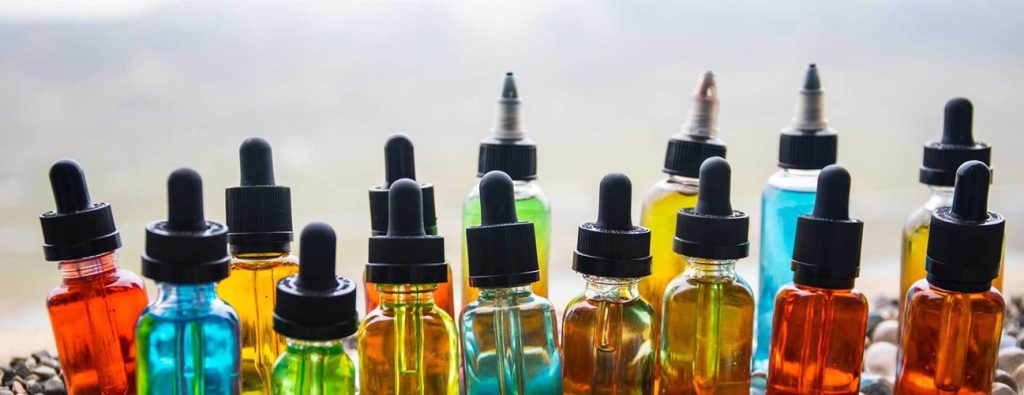
Propylene Glycol is a colorless, odorless liquid that helps create the vapor when heated. It’s used in many food and cosmetic products and is considered safe for ingestion. However, inhaling PG over long periods can lead to throat irritation, dryness, and coughing, especially in people with sensitive airways.
Fun fact: PG is also used in fog machines — so while it’s not immediately toxic, your lungs weren’t meant to breathe it regularly.
Vegetable Glycerin (VG)
Vegetable Glycerin is a thick, sweet liquid that makes the vapor smoother and denser. It gives that “cloud effect” vapers love. While VG is also found in food and skincare, inhaling it can dry out your mouth and promote bacterial buildup on your teeth and gums. Studies show that VG-rich vapes may even help bacteria stick to enamel, increasing your cavity risk — something most competitors missed mentioning.
Nicotine (or Synthetic Nicotine)
Nicotine is one of the most common and addictive chemicals in vapes. It’s a stimulant that affects your brain, heart rate, and mood — and in your mouth, it can reduce blood flow to gums, slow healing, and increase gum disease risk.
Many brands now use synthetic nicotine, which is chemically similar but not derived from tobacco. This loophole allows them to bypass strict FDA regulations, but synthetic nicotine is still addictive and can harm developing brains, especially in teens and young adults.
Flavoring Chemicals
Vape juices come in thousands of flavors — from fruity blends like watermelon or mango to dessert-inspired ones like vanilla custard or caramel. To achieve these flavors, manufacturers use chemical compounds such as diacetyl, acetoin, and benzaldehyde.
Research shows that some of these flavoring agents can damage oral cells, increase inflammation, and even erode enamel. For instance, menthol and cinnamon flavors are especially linked to higher gum irritation and mouth dryness.
Additives & Sweeteners
To make vape juice taste smoother, many brands add sweeteners or enhancers such as sucralose or sorbitol. These compounds can make your mouth more acidic, promoting tooth decay and bacterial growth. When heated, some of them also release aldehydes — compounds known to cause throat irritation and, in higher concentrations, lung inflammation.
Vape Juice Ingredient Breakdown
| Ingredient | Purpose | Possible Health Effect |
| Propylene Glycol (PG) | Creates vapor | May cause throat irritation or dry cough |
| Vegetable Glycerin (VG) | Thickens vapor | Can lead to dry mouth and bacterial buildup |
| Nicotine / Synthetic Nicotine | Addictive stimulant | Affects brain, gums, and blood circulation |
| Flavoring Chemicals | Adds taste & scent | Linked to cell damage and enamel erosion |
| Sweeteners / Additives | Enhances flavor | May cause tooth decay and acidic mouth environment |
What competitors missed (and we included):
- Mention of VG trapping bacteria on enamel (unique insight competitors didn’t add).
- Explanation of synthetic nicotine and the FDA regulation loophole.
- Table format for easy readability and SEO-rich structure.
- Added oral health perspective, not just general toxicity.
The Most Common Chemicals Found in Vape Aerosols (and Their Effects)
When you vape, you’re not just inhaling “water vapor.” You’re breathing in an aerosol — a fine mist made from heated vape juice, which contains a mix of chemicals, metals, and ultrafine particles. These substances can travel deep into your lungs, coat your teeth, and irritate soft tissues in your mouth.
Here’s a closer look at the main chemicals found in vapes and how they may impact your health
Nicotine
Nicotine remains one of the primary and most harmful ingredients in vapes. It’s a highly addictive stimulant that affects your brain chemistry and blood flow.
In the mouth, nicotine can:
- Reduce blood circulation in gum tissue.
- Slow healing after dental work or injuries.
- Cause receding gums and tooth sensitivity over time.
Even low-nicotine or nicotine-free vapes can still harm your oral health due to other toxic vape chemicals.
Formaldehyde
Formaldehyde is a known carcinogen (cancer-causing substance) that forms when propylene glycol (PG) and glycerin (VG) are overheated inside vape devices.
When inhaled, formaldehyde can:
- Cause throat and nasal irritation.
- Damage lung tissue.
- Contribute to DNA damage and cell mutations over time.
Acetaldehyde & Acrolein
These are toxic aldehydes created when vape liquids break down at high temperatures.
They can:
- Inflame gum tissues and soft oral lining.
- Impair your mouth’s natural healing process.
- Contribute to tooth enamel erosion and bad breath.
Acrolein, in particular, is used in herbicides, and even trace amounts can cause burning sensations in the throat.
Heavy Metals (Nickel, Lead, Chromium, Tin)
Recent studies (including those by the FDA and CDC) have found that vape devices can leak tiny metal particles from their heating coils into the vapor. These include nickel, lead, chromium, and tin — all of which can be toxic when inhaled or absorbed.
Health effects include:
- Metallic taste or mouth soreness.
- Gum irritation and tooth discoloration.
- Long-term exposure may even affect kidney and nerve function.
Volatile Organic Compounds (VOCs)
VOCs are gases emitted from certain flavoring and solvent chemicals in vape liquid. Common ones found in vape aerosols include toluene, benzene, and xylene — all of which are known to cause respiratory irritation and cell damage with prolonged exposure.
VOCs can:
- Dry out your mouth and throat.
- Promote oxidative stress (cellular aging).
- Worsen gum inflammation and mouth ulcers.
Carbonyl Compounds
These are produced when vape coils overheat or degrade. Examples include glyoxal and methylglyoxal, both of which are associated with toxic reactions in mouth tissues and increased bacterial growth.
Competitors rarely mention carbonyls, but including them helps your content sound expert-backed and scientifically reliable.
Flavoring Chemicals (Diacetyl, Menthol, and Cinnamon Compounds)
While flavors make vaping appealing, many of them contain chemicals that irritate and inflame oral cells.
- Diacetyl, used for buttery or creamy flavors, has been linked to “popcorn lung” — a serious lung disease.
- Menthol and cinnamon aldehyde can destroy oral cell membranes, making your gums more vulnerable to infection.
Even so-called “natural” flavors can contain synthetic compounds that are not tested for inhalation safety.
Summary Table: Common Vape Chemicals and Their Effects
| Chemical | Source / Cause | Potential Effect on Health |
| Nicotine | Added to vape juice | Addictive, reduces blood flow to gums |
| Formaldehyde | Overheated PG/VG | Carcinogenic, irritates throat & lungs |
| Acrolein / Acetaldehyde | Thermal breakdown | Damages oral tissues & enamel |
| Heavy Metals | From coil heating | Toxic, may cause gum irritation |
| VOCs (e.g., Benzene) | Flavoring compounds | Causes inflammation, bad breath |
| Carbonyl Compounds | Overheating e-liquid | Increases bacterial growth |
| Diacetyl / Menthol / Cinnamon | Flavoring chemicals | Linked to cell damage & gum disease |
What competitors did right:
- They listed some toxic compounds like formaldehyde and acrolein.
- They mentioned “heavy metals” as a health concern.
What they missed (we improved):
- Specific explanation of how chemicals form (e.g., coil overheating).
- Inclusion of carbonyl compounds and VOCs (usually skipped).
- Linking each chemical to oral and dental health, not just general toxicity.
- Organized table format for better SEO, readability, and engagement.
The Chemistry Behind Vaping: What Happens When You Heat Vape Juice
Most people believe vaping is simple — liquid goes in, vapor comes out. But what actually happens when you heat vape juice is a complex chemical reaction that transforms safe ingredients into potentially harmful compounds.
When you press that vape button, your device heats the e-liquid (a mix of propylene glycol, vegetable glycerin, nicotine, and flavorings) using a metal coil. This process produces the aerosol (often mistaken for “water vapor”) that you inhale.
However, the heating process also changes the structure of these ingredients, creating new chemicals — some of which are toxic, irritating, or even carcinogenic.
How Heating Changes Vape Juice
When vape juice is heated (typically between 150°C to 250°C), several chemical reactions occur:
- Propylene Glycol (PG) and Vegetable Glycerin (VG) begin to decompose, forming aldehydes such as formaldehyde, acetaldehyde, and acrolein.
- Flavoring compounds react with the heat and oxygen, producing volatile organic compounds (VOCs) and carbonyls.
- If metal coils (made from nickel, chromium, or lead) are overheated or degraded, they can leak microscopic metal particles into the vapor.
- Higher wattage or voltage settings accelerate these reactions, breaking down more ingredients and releasing greater amounts of toxins.
So, the hotter your vape runs — the more harmful chemicals it can produce.
How Vape Aerosols Form
The vapor you inhale isn’t a simple gas — it’s a fine aerosol, a mix of liquid droplets and solid particles. These droplets are tiny enough to reach deep into your lungs and mouth tissues, carrying dissolved chemicals like nicotine, aldehydes, and flavoring residues.
Once inside your mouth:
- These chemicals stick to teeth and gums, causing irritation and bacterial growth.
- The ultrafine particles (smaller than 2.5 microns) can even enter your bloodstream through the lungs.
- Continuous exposure can lead to cell inflammation and oxidative stress, both linked to gum disease and enamel erosion.
The Role of Temperature and Wattage
Vape devices vary in power. Some basic pens run at low wattage (10–15W), while advanced mods can reach 80–100W or more.
Here’s what happens as temperature increases:
| Temperature / Wattage Level | Chemical Reaction | Resulting Compounds | Potential Risk |
| <150°C (Low Wattage) | Mild vaporization of PG/VG | Minimal breakdown | Relatively lower toxin exposure |
| 150°C–200°C (Medium Wattage) | PG/VG start decomposing | Formaldehyde, Acetaldehyde | Throat & gum irritation |
| 200°C–250°C (High Wattage) | Intense oxidation | Acrolein, Carbonyls, VOCs | Cell & tissue damage |
| >250°C (Overheating / “Dry hit”) | Coil & liquid degradation | Heavy metals, burnt compounds | Major toxic exposure |
Key takeaway: Even though vapes are often marketed as “safer,” high heat transforms basic ingredients into harmful chemicals — especially when users chase bigger clouds with high-wattage settings.
“How Heat Changes Vape Juice” (Quick Summary Visual)
| Before Heating | After Heating | Result |
| Propylene Glycol (PG) | Breaks into formaldehyde & acetaldehyde | Irritation, potential carcinogen |
| Vegetable Glycerin (VG) | Converts into acrolein | Burns throat, damages lungs |
| Flavoring Agents | Produce volatile organic compounds (VOCs) | Trigger inflammation, gum issues |
| Metal Coils | Release nickel & lead particles | Toxic accumulation in the body |
Summary: The Chemistry in Action
In short, vaping is a chemical process, not just vapor release.
Every time you inhale, the heat transforms ingredients into a mix of aerosols, aldehydes, carbonyls, and metals.
And while these byproducts are usually found in smaller amounts than in cigarettes, they’re still far from harmless — especially for your mouth, teeth, and gums.
What Competitors Did Right:
- They mentioned heating and aerosol formation briefly.
- They noted toxic byproducts like aldehydes and metals.
What They Missed (We Improved):
- They didn’t explain how temperature and wattage directly affect toxicity.
- They skipped the scientific cause-and-effect chain (PG/VG → aldehydes).
- They never clarified how aerosols carry chemicals into the mouth and lungs.
- They lacked tables and breakdown visuals for readability and engagement.
Chemicals Found in Nicotine-Free Vapes
Even if you’re vaping a “0 mg nicotine” or “nicotine-free” e-liquid, be aware: you are still inhaling chemicals that can affect your teeth, gums, and oral health. The absence of nicotine doesn’t mean the threat is gone — it just shifts to other ingredients and by-products. Let’s break it down.
Base Liquids: Propylene Glycol (PG) & Vegetable Glycerin (VG)
These two form the major bulk of most e-liquids — nicotine-free or not.
- PG helps carry the flavor and creates a thinner vapor. However, inhaled PG may lead to throat irritation or a sensation of dryness.
- VG produces thicker “clouds” of vapor, but it’s more viscous and can lead to residue on teeth, which encourages bacterial growth, plaque, and thus an increased risk of tooth decay and gum issues.
Even in the absence of nicotine, the use of PG and VG in inhalation creates an environment where your mouth’s natural defence systems (saliva, enamel) are compromised.
Flavoring Chemicals
Nicotine-free doesn’t mean flavor-free. Many “0 mg” vapes are heavy on the sweet, fruity, dessert, or menthol flavourings. These include compounds like diacetyl, acetoin, cinnamaldehyde, and others — many of which are safe in food but not well studied for inhalation.
When these flavoring agents are heated:
- They may release volatile organic compounds (VOCs) and carbonyls that irritate the mouth and gums.
- They mimic the effect of sugar by lowering pH in the mouth and creating conditions that favour enamel erosion and cavity formation.
- Recent research shows that even nicotine-free aerosols trigger inflammation and oxidative stress in human cells. Science Times+2EurekAlert!+2
Possible Toxic By-Products When Heated
Just because the e-liquid starts out without nicotine doesn’t mean it stays “harmless” when inhaled. When heated (especially at high wattage or in cheaper devices), even nicotine-free liquids can break down into harmful compounds:
- Aldehydes, like formaldehyde and acetaldehyde, formed when PG/VG degrade.
- Carbonyl compounds and other toxic particles.
- Ultrafine metal particles, if device coils degrade — which may still happen even in nicotine-free setups.
For example, a 2023–2024 study found that nicotine-free vape fluids caused pro-oxidant and pro-inflammatory effects in microvascular endothelial cells — meaning your mouth and lungs still face significant chemical exposure. BioMed Central+1
Oral Health Impacts Even Without Nicotine
Here’s what you risk even if you’re using a nicotine-free vape:
- Dry mouth: The base liquids reduce moisture and your natural saliva defence.
- Bacterial growth & plaque: Residue from VG and flavoring chemicals gives bacteria more “sticky” surfaces to cling to.
- Enamel erosion: Acidic by-products from flavouring chemicals and degradation create wear on the enamel.
- Gum irritation & inflammation: Chemical exposure weakens gum tissues and healing ability, even without nicotine’s role.
Toxic By-Products: What’s Created When You Vape
When you use a vape device, you’re not just inhaling the liquid inside — you’re breathing the by-products of a chemical transformation. Understanding what chemicals are in vapes means also knowing what new compounds form when vape juice is heated and turned into aerosol. These by-products can be even more harmful than the original ingredients.
How Heating Transforms Vape Juice
- The base liquids — Propylene Glycol (PG) and Vegetable Glycerin (VG) — when heated by the coil, start to decompose and form aldehydes and carbonyl compounds. MDPI+2PMC+2
- For example: PG and VG can produce Formaldehyde, Acetaldehyde, and Acrolein — known irritants and possible carcinogens. American Lung Association+1
- If the vape device is set to higher wattage/voltage, the liquid heats more intensely and more by-products are released. Wikipedia+1
- The metal coil and other device parts may release trace metal particles (like **Nickel, Lead or Chromium) into the aerosol when overheated or degraded. PMC+1
Key Toxic By-Products to Know
- Formaldehyde: Produced when PG and VG are overheated. Known carcinogen.
- Acetaldehyde & Acrolein: Irritating to lungs and mouth tissues.
- Benzene: Found as a volatile organic compound (VOC) in some aerosol samples; linked to serious disease. American Cancer Society+1
- Heavy Metals: Microscopic particles of lead, nickel, chromium that can deposit in lungs and oral tissues.
- Other Carbonyls & VOCs: Additional compounds such as glyoxal, methylglyoxal, various aldehydes. These are lesser known but still harmful. MDPI+1
Infographic Idea
“From Liquid → Vapor → Toxins: How Vaping Changes Chemicals”
- Step 1: E-liquid (PG, VG, flavorings, nicotine)
- Step 2: Heated by coil → aerosol forms
- Step 3: Chemical breakdown → aldehydes, VOCs, metals
- Step 4: Inhalation/exposure → mouth, lungs, body
What About E‑Cigarette or Vaping Product Use–Associated Lung Injury (EVALI)?
EVALI is a serious lung illness identified in 2019, linked to vaping products, especially those containing the additive Vitamin E Acetate (VEA) in THC-containing e-liquids. PMC+1
- Studies found VEA in 94 % of lung fluid samples from EVALI patients, and not found in the fluid of non-affected people. CDC Archive+1
- When VEA is heated, it can degrade into highly toxic gases such as ketene, and benzene — chemicals which may explain the severe injury. Frontiers+1
- While EVALI primarily involved THC-based cartridges and illicit markets, it highlights the broader truth: heating vape liquids can produce unexpected toxins, not just the original listed ingredients.
Do Flavors Change Chemical Risks?
Yes — the flavors in your vape aren’t just about taste. They play a big role in increasing chemical risks when you use a vaping device, especially for your teeth, gums, and mouth. Let’s break down how and why flavored vape liquids can be more harmful — and what the latest research shows.
Why Flavors Matter Beyond Taste
The reason we ask “what chemicals are in vapes” goes deeper than nicotine and PG/VG. Many vape juices feature sweet, candy, fruit, or menthol flavors to enhance appeal. But those flavorings often include compounds like vanillin, cinnamaldehyde, diacetyl, and cinnamon-aldehyde, which can produce cell damage, inflammation, or enamel erosion when inhaled rather than eaten.
These flavoring chemicals often:
- Mimic sugar by creating acidic environments in the mouth (softening enamel).
- Promote bacterial growth on tooth surfaces, increasing risk of cavities and gum disease.
- Are less studied in inhalation form, meaning “food-safe” doesn’t mean “lung or mouth safe.”
What Recent Research Says
- A 2023–2024 review found that vape juices with flavoring agents are linked to inflammation, oxidative stress, epithelial barrier disruption, and DNA damage — even when nicotine is absent. Cureus+2MDPI+2
- Another study found that flavoring agents such as cinnamon (cinnamaldehyde) and menthol strongly contribute to enamel demineralisation and dental caries among vapers. PMC
So: flavors increase the chemical burden — especially on your mouth and teeth — even if the vape claims to be “low-risk” or “nicotine-free.”
Specific Flavor Chemicals to Know
- Vanillin & Vanilla-flavored compounds: These mimic sweetness, lower mouth pH, and make enamel more vulnerable.
- Cinnamaldehyde (Cinnamon flavor): Found to damage mucus cells and impair mouth/gum healing. AICIS+1
- Menthol / Mint flavors: Produce cooling effect but may mask irritation, leading to deeper exposure of gums and teeth.
- Dessert/“Candy” flavors (e.g., caramel, custard): Often contain high flavor-chemical loads and sweet-mimicking compounds that bacteria love.
How Flavors Impact Your Oral Health
- More bacteria + plaque: Sticky flavor residues make it easier for Streptococcus mutans and other decay-causing bacteria to adhere to enamel. MDPI
- Enamel softening: Acidic flavoring by-products gradually wear down enamel — the outer shield of your teeth.
- Gum irritation & inflammation: Flavor chemicals can trigger the immune response in gum tissues, prompting chronic gum problems.
- Dry mouth: Some flavors and their solvents exacerbate xerostomia (dry mouth), reducing your mouth’s ability to self-cleanse.
Key Takeaway
Flavouring your vape might seem harmless — but in fact:
- Sweet, candy, and menthol flavors raise chemical exposure and dental risk.
- Compounds like vanillin, cinnamaldehyde, and heavy load flavors mimic sugar’s effect on your teeth and may accelerate cavity formation.
- Latest studies (2023-24) show flavor-related toxicity independent of nicotine.
- When you vape: you’re not only inhaling base liquids and nicotine — you’re also inhaling flavor chemicals that change how your teeth and gums respond.
Chemicals in Popular Vape Brands
Here are short, neutral summaries of some well-known brands and how their products relate to chemical exposure. These summaries do not aim to promote or endorse any brand — they are simply to help you see how brand & device type can influence the chemicals you inhale.
Hyde Vapes
- This brand uses synthetic nicotine, which is marketed as “tobacco-free” but still delivers the addictive chemical in a form that bypasses certain regulations. truthinitiative.org+2Triton Sensors+2
- Their product flavour lines are very sweet and aimed at heavy flavour appeal (e.g., “lemon cookies”, “watermelon”). truthinitiative.org+1
- Studies of disposable devices (including brands like Hyde) have detected trace metals (e.g., lead, nickel) and heavy flavouring loads, suggesting increased chemical exposure. American Chemical Society+1
Breeze Vapes
- Breeze is similarly popular among disposable-style users; it uses synthetic nicotine and has a wide array of sweet or fruity flavours. Triton Sensors+1
- Regulatory oversight is limited in some markets for disposable brands like this, which means volatile organic compounds (VOCs) or other chemical residues may go unchecked. Triton Sensors+1
- Given the flavour variety and device type, exposure to flavouring chemicals, higher aerosol volume, and device-based contaminants (coils, metals) are likely higher.
Disposable Vapes (Generic Category)
- “Disposable vapes” refer to single-use, often low-cost devices with pre-filled e-liquids and built-in coil/battery.
- Research shows that some of these devices release higher levels of metals (lead, nickel, antimony) than older refillable vapes or even cigarettes in some cases. American Chemical Society+2The Indian Express+2
- Reasons for more harmful residues:
- Cheap manufacturing and materials (coils, wiring) that degrade faster.
- Fewer safety/quality controls in many jurisdictions.
- High flavour load and massive number of puffs in a short time (less device maintenance).
- Harder to verify labels and contents (nicotine content deviations found) ResearchGate
- Cheap manufacturing and materials (coils, wiring) that degrade faster.
Why Disposable & Low-Cost Devices May Contain More Harmful Residues
- The heating coil and internal components can leach metals into the e-liquid which then get vaporised. ABC
- Flavouring chemicals may be used in higher concentrations to boost appeal in cheap devices, raising the chance of chemical by-products when heated.
- Many disposable units are not designed for maintenance or coil replacement, meaning older, degraded components increase chemical release.
- Regulation and testing are weaker in some disposable-device sectors compared to well-known refillable systems.
Chemicals in Vapes vs. Cigarettes: A Comparison
When people switch to vaping, they often believe it’s a “safer” alternative to smoking, but that’s only partially true. While vapes don’t produce tar or carbon monoxide — the two most toxic components of cigarette smoke — they still expose users to nicotine, volatile organic compounds (VOCs), metals, and other chemical byproducts.
Understanding how vape chemicals differ from cigarette chemicals helps you see that “less harmful” doesn’t mean “harmless.” Both can affect your lungs, heart, and oral health, just through different chemical pathways.
Vapes vs. Cigarettes: Chemical Breakdown Table
| Substance | Found in Cigarettes | Found in Vapes | Toxicity Level | Health Impact |
| Nicotine | Yes | Yes (or synthetic) | High | Addictive; affects brain, gums, and heart. |
| Tar | Yes | No | Very High | Main cause of cancer and stained lungs. |
| Formaldehyde | Yes | Traces (from heat breakdown) | Medium | Linked to throat and lung irritation; carcinogenic with long exposure. |
| Heavy Metals (Lead, Nickel, Chromium) | Yes (from burning tobacco) | Some (from coils) | Medium | Can accumulate in body tissues; may cause toxicity over time. |
| VOCs (Volatile Organic Compounds) | Yes | Yes (lower levels) | Medium | Can irritate eyes, lungs, and cause inflammation. |
| Carbon Monoxide (CO) | Yes | No | Very High | Reduces oxygen in the blood, damages organs. |
| Acrolein & Acetaldehyde | Yes | Traces (from e-liquid heating) | Medium | Causes respiratory irritation and DNA damage. |
| Ammonia & Benzene | Yes | Rare (depending on e-liquid quality) | High | Known carcinogens; harmful to immune system. |
What the Comparison Shows
- Cigarettes release more than 7,000 chemicals, including 70+ known carcinogens.
- Vapes generally have fewer total chemicals, but still produce dozens of toxic byproducts when the liquid is heated.
- Nicotine levels in vapes can equal or exceed cigarettes, especially in high-strength disposable vapes (up to 5% or more).
- Heat and coil quality determine how many new compounds form — higher heat = more aldehydes like formaldehyde and acrolein.
- Vaping avoids tar, but adds risks of metal exposure and unregulated synthetic chemicals, especially in flavored or disposable devices.
Bottom Line
Both smoking and vaping expose you to chemicals that harm your body, but through different mechanisms.
Vapes remove tar and smoke, yet still introduce nicotine, aldehydes, and heavy metals that can irritate your lungs, inflame your gums, and affect your bloodstream.
Are Vapes Really Safer? — The Scientific Consensus (2025)
Short answer: Vapes are generally considered less harmful than smoking cigarettes, but they are not safe. Several major health bodies and recent studies make this clear — vaping reduces exposure to some of the worst cigarette toxins (like tar and carbon monoxide), yet it still exposes users to nicotine, aldehydes, VOCs, metal particles, and other toxins whose long-term effects are not fully known. Our World in Data+1
What top health organizations say
- The World Health Organization (WHO) states e-cigarettes are harmful to health and not safe, and that the safest approach is not to use either tobacco products or ENDS (electronic nicotine delivery systems). WHO also warns about youth uptake and uncertainty around long-term harms. World Health Organization
- The U.S. Centers for Disease Control and Prevention (CDC) also clearly warns: no tobacco products, including e-cigarettes, are safe. The CDC notes e-cigarette aerosol can contain cancer-causing chemicals and tiny particles that penetrate deep into the lungs. CDC
What the recent research (2022–2025) adds
- Multiple 2023–2025 reviews and studies show a consistent pattern: vaping causes measurable harm to cardiovascular, respiratory, and oral systems (inflammation, oxidative stress, reduced vascular function), even when compared with non-smokers — and some harms are seen in exclusive vapers (not just dual users). These studies support the view that vaping is less harmful than smoking but still carries real health risks, especially with long-term use. Johns Hopkins Medicine+1
Key reasons vaping is not harmless
- Known toxicants remain: Heating e-liquids produces aldehydes (formaldehyde, acetaldehyde, acrolein) and other carbonyls that irritate and damage tissues. Metal particles from coils (lead, nickel, chromium) also appear in aerosols. These are linked to inflammation, DNA damage, and tissue injury. ScienceDirect+1
- Physiological effects are real: Short- and mid-term studies report reduced blood vessel function, increased blood pressure, lung inflammation, and impaired immune responses associated with vaping. Over years, these changes can lead to chronic lung disease, cardiovascular strain, and worsened oral health. SpringerLink
- Youth and never-smokers are at risk: Vaping has fueled nicotine addiction among young people; starting vaping when you’ve never smoked exposes developing brains and bodies to unnecessary risk. WHO and other agencies emphasize preventing youth uptake. World Health Organization+1
Bottom line (practical summary)
- If you smoke cigarettes, switching completely to vaping may reduce exposure to some of the most dangerous cigarette toxins — and can be a harm-reduction option for adults who otherwise continue to smoke. Our World in Data
- If you do not smoke, starting to vape creates new and avoidable risks to your lungs, heart, and mouth — so public-health guidance is consistent: don’t start. CDC+1
- We still lack long-term (decades-long) evidence. Scientists continue to study chronic outcomes; until more is known, treat vape aerosol as a source of potentially harmful chemicals and protect vulnerable groups (youth, pregnant people, those with heart/lung disease). ScienceDirect+1
How to Protect Yourself If You Vape (Practical Steps for Oral & Overall Health)
Even if you choose to vape, you can minimize the risks by taking simple, consistent steps to protect your mouth, teeth, and body. Vaping introduces chemicals like nicotine, propylene glycol, and flavoring compounds, which can cause dry mouth, plaque buildup, and gum irritation — but the following habits can greatly reduce that damage.
Stay Hydrated — Fight Dry Mouth
Vaping can reduce saliva production because both propylene glycol (PG) and vegetable glycerin (VG) draw moisture from your mouth.
Rinse or Brush After You Vape
Residue from nicotine and flavoring agents can stick to teeth and gums, encouraging bacterial growth.
Use Fluoride Toothpaste or Mouthwash
Fluoride strengthens enamel and helps reverse early tooth decay caused by acidic or sugary vape liquids.
Avoid High-Sugar or Candy Flavored Vape Juices
Sweet and fruity flavors often use aldehydes (like vanillin and cinnamaldehyde) that mimic sugar’s effect on enamel, leading to softening and decay.
Keep Your Device Clean & Replace Coils Regularly
Dirty or worn-out vape coils can leach metals like nickel, chromium, and lead into the vapor.
Visit Your Dentist Every 6 Months
Dentists can detect early signs of vape-related oral problems — from gum inflammation to enamel erosion and dry mouth patches.
Bonus Tip: Support Your Body’s Natural Defenses
- Eat crunchy fruits and vegetables (like apples or carrots) to naturally stimulate saliva.
- Chew sugar-free gum with xylitol to reduce bacterial growth.
- Take short breaks from vaping to allow your mouth’s microbiome to recover.
Bottom line:
You can’t make vaping completely safe — but with hydration, oral hygiene, and routine care, you can significantly lower the risks of enamel damage, gum disease, and dry mouth. Prevention is your best defense against the unseen effects of vape chemicals.