
Key Points
- About 17 states had enacted e-cigarette directory laws by August 2026.
- A directory is a state-approved list: only listed products can legally be sold.
- Pennsylvania Act 57 enforcement begins Oct 19, 2026.
- California signed AB 762, phasing out disposable nicotine vapes: import and manufacture banned from Jan 1, 2027, sales banned from Jan 1, 2028.
- Directory rules vary by state. There is no single national standard.
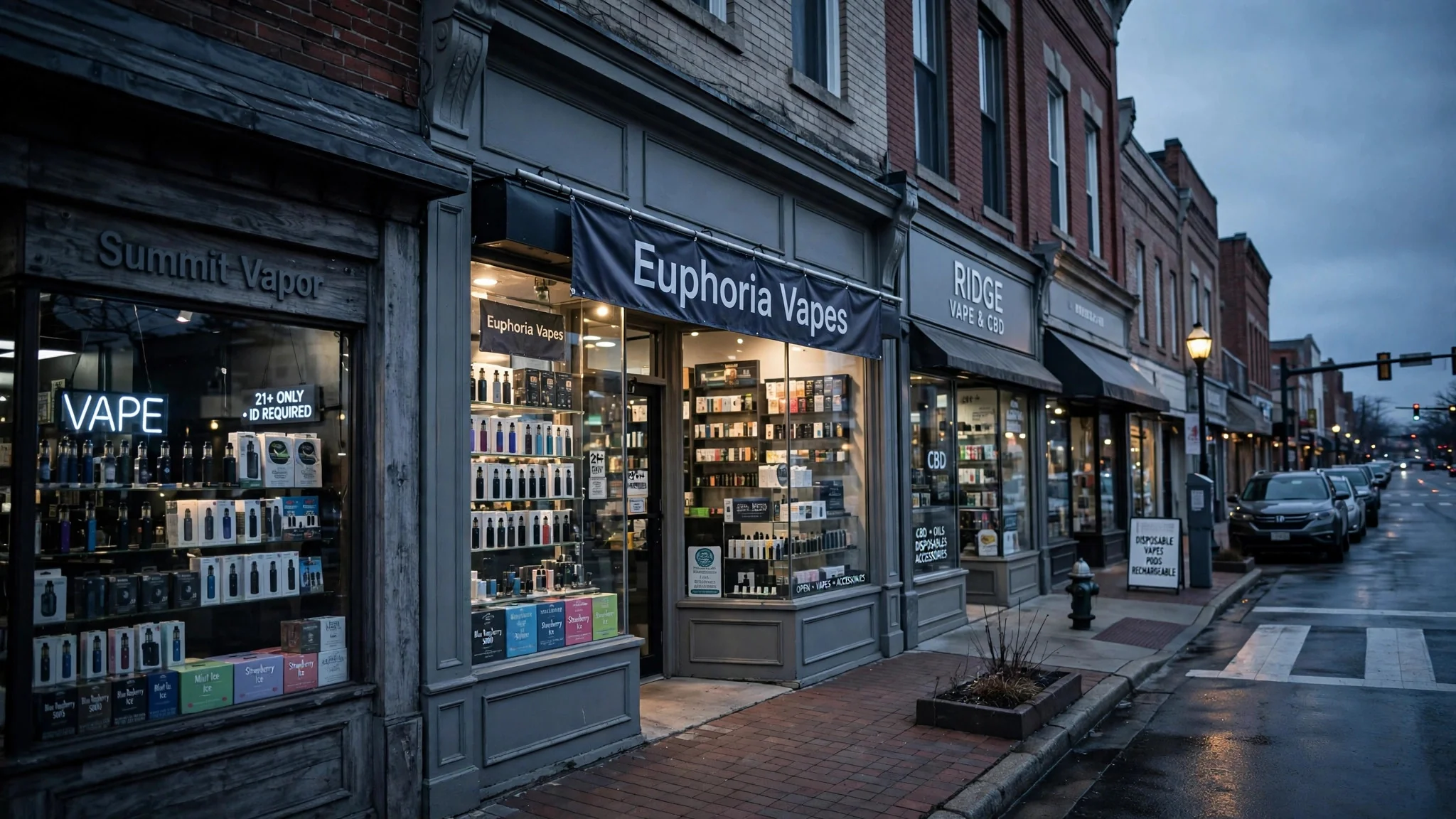
WASHINGTON: Pennsylvania crackdown on unlisted vapes is not an isolated move. It is part of a national shift: about 17 states had enacted e-cigarette directory laws by August 2026, and California is going further by phasing out disposable nicotine vapes entirely.
What Is a Vape Product Directory?
A product directory is a state-run list of vaping products that may legally be sold in that state. The basic rule is simple: if a product is on the list, it can be sold. If it is not, it cannot.
To get listed, a manufacturer typically must certify that its product either has an FDA marketing order or was on the market by August 8, 2016, with a premarket tobacco product application (PMTA) filed by September 9, 2020, that is still pending or whose denial was stayed or overturned. Some states have updated their rules to match the FDA newer May 2026 enforcement policy, which is now being challenged in court. You can read the full story in our report on the FDA enforcement policy court challenge. North Carolina, for example, amended its law to cover products with pending applications marketed under a published FDA enforcement policy.
States created directories because the federal system alone was hard to enforce at the store level. The FDA has authorized only a small number of e-cigarette products, while thousands of others sat in applications, litigation, or regulatory limbo. A directory gives inspectors a clear checklist: listed or not.
How Many States Have Them
By August 2026, 17 states had enacted laws establishing state-managed e-cigarette directories or similar systems, according to the National Association of Tobacco Outlets (NATO). States named in coverage include Alabama, Florida, Iowa, Kentucky, Louisiana, North Carolina, Oklahoma, Utah, Virginia, and Wisconsin, plus Pennsylvania, South Carolina, Hawaii, and West Virginia, which joined the movement in 2026 with their own versions.
The systems are not identical. Most directories list products permitted for sale, while Florida lists prohibited products and Kentucky lists retailers selling authorized products. Hawaii 2026 law is stricter: manufacturers must certify they have received an FDA marketing granted order before products can qualify. West Virginia Vape Safety Act combines the directory with licensing and operating requirements for vape and smoke shops. From September 1, 2026, products not on its directory cannot be sold.
A study in JAMA Network Open found a core weakness across all of them: as of June 2026, there was no public list of when products entered the market, and the FDA has not published details on pending PMTAs, denial orders, or appeals, so enforcement often relies on manufacturers own attestations. The delays behind those gaps are covered in our report on the GAO findings on the FDA review backlog.
California Is Going Further
While most states are building directories, California is moving toward a ban. Governor Gavin Newsom signed Assembly Bill 762, which prohibits the import and manufacture for sale of covered disposable nicotine vaping devices beginning Jan 1, 2027, followed by a ban on their sale, distribution, and retail offering beginning Jan 1, 2028.
The Timeline
Import and manufacture for sale: banned from Jan 1, 2027. Sale, distribution, and retail offering: banned from Jan 1, 2028.
The Penalties
Violations can carry penalties of $500 for a first offense and up to $2,000 for subsequent violations.
The law covers single-use devices that are not designed to be reused. It excludes cannabis vaping products.
California joins a group of states with the toughest restrictions on flavored vaping products, including Massachusetts, New Jersey, New York, Rhode Island, and Utah, with Utah removing exemptions for menthol and mint in 2025.
Why States Are Doing This
Two forces are driving the wave. First, youth protection: states want a practical way to pull unauthorized and youth-appealing products off shelves. Second, enforcement clarity: a directory turns a complicated federal question, “is this product PMTA status valid?”, into a yes-or-no check for an inspector.
Pennsylvania own law shows the same logic. Its Act 57 enforcement begins Oct 19, 2026, and the state directory had 159 products as of Oct 8, with 22 more manufacturer certifications under review. The Pennsylvania law is also being challenged in court, which shows how contested this new layer of regulation has become.
What It Means for Retailers and Vapers
For retailers, the message is national: stocking decisions now depend on state lists, not just federal status. A product legal in one state may be unsellable in another. Check each state directory before ordering, and keep certification paperwork for inspections.
For vapers, expect more variation when traveling. A disposable that is easy to find in one state may be gone in the next, and California phase-out means disposables there have a fixed end date. The safest habit is to check the official directory of the state you are buying in, rather than relying on a shop word.
What to Watch Next
More states are considering directory laws, and existing ones are being updated as FDA policy changes. Watch for court rulings on directory challenges, for California 2027 import and manufacture deadline, and for whether other states copy California disposable ban instead of the directory model.
Sources: Tobacco Reporter (Oct 2, 2026); 2Firsts / NATO (Sept 29, 2026); JAMA Network Open directory study.