
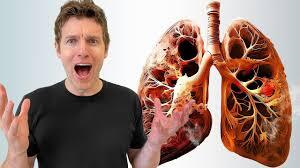
Millions of people vape every day thinking it is harmless — but is it really?
What does vaping do to your lungs? The honest answer is — more damage than most people realise.
Vaping is widely seen as a safer alternative to smoking but that does not mean it is safe. Every time you inhale from a vape device you are exposing your lungs to harmful chemicals like diacetyl, formaldehyde, acrolein and vitamin E acetate — all linked to serious lung disease.
In this guide we cover the short term and long term effects of vaping on your lungs, the early warning signs to watch out for, whether nicotine free vaping is actually safer, and whether your lungs can recover after you quit.
What Actually Happens Inside Your Lungs When You Vape?
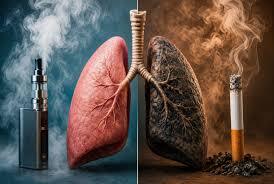
Most people think vaping is just inhaling and exhaling flavoured air. The reality inside your lungs is very different.
How Vaping Works
When you vape a vape device heats e-liquid into a vapour that you inhale directly into your lungs. Unlike traditional cigarettes that burn tobacco, vaping heats a liquid mixture of propylene glycol, vegetable glycerine, nicotine and flavourings.
Your Lungs Are Not a Filter — They Are an Absorber
Vaping works very similarly to a nebulizer — a medical device used to deliver medicine deep into the lungs. Just like a nebulizer your vape device sends tiny particles deep into your lung tissue where they are absorbed directly into your body. The difference is — a nebulizer delivers medicine. Vaping delivers harmful chemicals.
The Inflammatory Response
Once these chemicals reach deep into your lung tissue your body recognises them as dangerous and triggers an inflammatory response — your lungs go into defence mode. Over time this repeated inflammation causes lasting damage to your airways and lung tissue.
Oily Substances Coating Your Lungs
E-liquid contains oily substances that when inhaled coat the inner lining of your lungs — interfering with normal lung function and leading to conditions like lipoid pneumonia.
Harmful Chemicals in Vape — What You Are Actually Inhaling
The vapour from your vape device is not just flavoured air. It contains harmful chemicals that go deep into your lungs with every puff.
Diacetyl — The Popcorn Lung Chemical
Diacetyl is added to sweeten e-liquid flavours. When inhaled it damages the smallest airways in your lungs causing popcorn lung — a permanent scarring condition that makes breathing extremely difficult.
Formaldehyde — Toxic to Your Lungs and Heart
Formaldehyde is produced when e-liquid is heated at high temperatures. It has been linked to serious lung disease and cardiovascular damage over time.
Acrolein — A Weed Killer in Your Lungs
Acrolein is an industrial weed killer that when inhaled causes direct damage to your airways and lung lining.
Vitamin E Acetate — The Main Cause of EVALI
Vitamin E acetate is used as a thickening agent in e-liquids. When inhaled it triggers a severe inflammatory reaction in the lungs and has been identified as the primary cause of EVALI — the serious vaping related lung injury.
Toxic Metals — Lead and Arsenic
Research has found toxic metals including lead and arsenic in vapour produced by some vape devices — coming directly from the heating coils and inhaled deep into your lung tissue.
Nicotine — Addictive and Harmful
Nicotine raises blood pressure, restricts blood flow and puts strain on your cardiovascular system — while also triggering long term lung inflammation and airway irritation.
Harmful Chemicals
In the UK all e-liquids must meet strict safety standards — however many still contain dangerous substances. Diacetyl has been directly linked to popcorn lung by the American Lung Association while Vitamin E Acetate was confirmed by the CDC as the primary cause of EVALI related lung injuries across the United States.
Short Term Lung Damage From Vaping
Lung damage from vaping does not always take years to show up. Some conditions can develop within days or weeks of vaping. Here are the main short term lung conditions linked to vaping.
EVALI — E-Cigarette or Vaping Associated Lung Injury
EVALI is one of the most serious short term lung conditions caused by vaping. It occurs when chemicals in e-liquid — particularly vitamin E acetate — trigger severe inflammation deep inside the lungs.
Symptoms of EVALI Include
- Shortness of breath
- Chest pain when breathing
- Persistent cough
- Dropping blood oxygen levels
- Fever and fatigue
Symptoms can develop rapidly over a few days or gradually over several months. In severe cases EVALI can lead to acute respiratory distress and require hospitalisation.
Lipoid Pneumonia — Oily Substances Inflaming Your Lungs
Unlike regular pneumonia caused by infection lipoid pneumonia develops when the oily substances in e-liquid are inhaled and coat the lungs triggering a serious inflammatory response. Symptoms include chronic cough, shortness of breath and in some cases coughing up blood. There is no specific treatment — stopping vaping and allowing the lungs to heal naturally is the primary approach.
Popcorn Lung — Permanent Airway Scarring
Popcorn lung — medically known as bronchiolitis obliterans — is caused by inhaling diacetyl found in many flavoured e-liquids. It permanently scars the smallest airways in the lungs making breathing progressively more difficult. Unfortunately popcorn lung has no cure — only symptom management.
Collapsed Lung — A Serious and Sudden Condition
Collapsed lung — medically known as primary spontaneous pneumothorax — occurs when a small air blister on the lung ruptures creating a hole through which air escapes. Vaping significantly increases the risk of these blisters rupturing. Symptoms include sudden sharp chest pain and severe shortness of breath — and in serious cases surgery is required to repair the lung.
Early Warning Signs Your Lungs Are Being Damaged
Your lungs will tell you when something is wrong — the key is knowing what to look out for. Here are the early warning signs that vaping may be damaging your lungs.
Signs to Watch Out For
- Persistent cough that will not go away after a few weeks
- Shortness of breath during normal everyday activities like walking or climbing stairs
- Chest tightness or pain when breathing in or out
- Wheezing or unusual sounds when breathing
- Coughing up blood or mucus — this is serious and needs immediate attention
- Constant tiredness or low energy — a sign your lungs are not delivering enough oxygen
When to See a Doctor Immediately
Do not ignore these signs. If you experience chest pain, dropping oxygen levels, coughing up blood, or severe shortness of breath — see a doctor immediately. Catching lung damage early gives your lungs the best chance of recovery.
Can Your Lungs Recover After Quitting Vaping?
The good news is — yes. Your lungs have a remarkable ability to heal once you stop vaping. Here is what happens over time.
The Lung Recovery Timeline
First Week
Your airways begin to relax and breathing starts to feel slightly easier. Inflammation in the lungs begins to reduce.
After 1 Month
Coughing reduces, breathing improves and your lungs start clearing out the chemicals and irritants left behind by vaping.
After 3–6 Months
Lung capacity starts improving noticeably. Everyday activities like walking and exercise feel easier as your lungs grow stronger.
After 1 Year
Your risk of serious lung disease drops significantly. Most short term vaping related damage has largely reversed at this point.
Can All Damage Be Reversed?
Not always. Conditions like popcorn lung and severe EVALI scarring can cause permanent lung damage that does not fully heal. This is why catching the warning signs early and quitting as soon as possible is so important.
Is Vaping Really Safer Than Smoking for Your Lungs?
Many people switch to vaping believing it is a safe alternative to smoking. But is that actually true?
What the Research Says
Vaping does not produce tobacco smoke — but that does not make it safe. Both smoking and vaping expose your lungs to harmful chemicals, trigger inflammation and cause serious lung damage. The difference is we have decades of research on smoking — but vaping is still relatively new and its full long term effects are still unknown.
Vaping vs Smoking — Lung Damage Comparison
| Vaping | Smoking | |
| Harmful Chemicals | Diacetyl, formaldehyde, acrolein, vitamin E acetate | 7000+ chemicals including tar |
| Lung Conditions | EVALI, popcorn lung, lipoid pneumonia, collapsed lung | Lung cancer, COPD, emphysema |
| Addiction | Nicotine addiction | Nicotine addiction |
| Secondhand Risk | Yes — diacetyl, benzene, ultrafine particles | Yes — secondhand smoke |
| Long Term Effects | Still unknown | Extensively researched and proven deadly |
Vaping as a Smoking Cessation Tool
Some people use vaping to quit smoking — and there is limited evidence it can help. However the risk is that many people end up using both cigarettes and vapes simultaneously — known as dual use — which research suggests may be even more harmful to your lungs than either alone.
What About Disposable Vapes & Nicotine Free Vaping?
Are Disposable Vapes More Dangerous for Your Lungs?
Disposable vapes have exploded in popularity — but many people do not realise they often contain higher nicotine concentrations than standard refillable devices. Higher nicotine means more frequent use, more chemical exposure and greater lung damage over time.
The heating coils in disposable vapes also cannot be cleaned or replaced — meaning they can degrade over time and release toxic metals like lead and arsenic into the vapour you inhale.
Is Nicotine Free Vaping Actually Safer for Your Lungs?
Many people assume zero nicotine vaping is harmless. It is not. Even without nicotine your lungs are still being exposed to:
- Propylene glycol and vegetable glycerine — which irritate airways when heated and inhaled
- Flavourings — including diacetyl in sweet flavours linked to popcorn lung
- Acrolein and formaldehyde — produced when e-liquid is heated regardless of nicotine content
What About CBD Vaping?
CBD vaping is often marketed as a wellness product — but inhaling CBD oil exposes your lung tissue to the same oily substances that cause lipoid pneumonia. The lungs do not distinguish between CBD oil and any other oily substance — the damage mechanism is the same.
Secondhand Vapor — Is It Dangerous for Others?
Many people believe secondhand vapor is just water floating in the air. This is completely false.
What Is Actually in Secondhand Vapor?
When someone exhales vape the air around them fills with harmful substances including:
- Nicotine — absorbed by anyone nearby even if they do not vape
- Diacetyl — linked to popcorn lung in those regularly exposed
- Benzene — a chemical also found in car exhaust fumes
- Ultrafine particles — tiny particles that penetrate deep into the lungs of anyone nearby
Risk to Children and Pregnant Women
Children’s lungs are still developing — making them especially vulnerable to secondhand vapor. Regular exposure can interfere with normal lung growth and increase the risk of asthma and respiratory conditions.
For pregnant women secondhand nicotine exposure has been linked to low birth weight, premature birth and complications with fetal lung development.
Indoor Vaping and Air Quality
Vaping indoors significantly reduces indoor air quality. Chemicals linger in enclosed spaces long after vaping has stopped — continuing to expose others around you.
Myths vs Facts About Vaping and Lung Health
Many people still hold onto common misconceptions about vaping and lung safety. Let us set the record straight.
| Myth | Fact |
| Vaping is completely safe for lungs | Vaping causes real and serious lung damage even with short term use |
| Secondhand vapor is just water | It contains nicotine, diacetyl, benzene and ultrafine particles |
| Nicotine free vaping is harmless | It still exposes lungs to harmful chemicals and oily substances |
| Vaping only affects heavy users | Even short term use can trigger EVALI and other lung conditions |
| Vaping is always safer than smoking | Long term effects are still unknown and dual use may be even worse |
| Disposable vapes are safer than regular vapes | No evidence supports this — they may release toxic metals from degraded coils |
Practical Tips to Protect Your Lung Health
If you currently vape or are planning to quit here are simple practical steps to protect your lungs.
If You Still Vape
- Reduce how often you vape — less exposure means less lung damage
- Lower your nicotine strength gradually to reduce dependency
- Avoid vaping indoors and in enclosed spaces to protect others around you
- Watch for early warning signs — persistent cough, chest pain or shortness of breath
If You Are Quitting
- Use nicotine replacement therapy — patches and gums help manage cravings without damaging your lungs
- Set a quit date and stick to it — having a plan makes quitting significantly easier
- Stay hydrated — water helps your airways recover and flush out irritants
- Exercise regularly — even light walking helps rebuild lung capacity over time
Speak to Your Doctor
If you notice any breathing difficulties, chest pain or persistent cough — do not ignore it. See a doctor immediately. Early detection of lung damage gives your lungs the best chance of recovery.
Frequently Asked Questions About Vaping and Lung Health
Can Vaping Cause Permanent Lung Damage?
Yes. Conditions like popcorn lung and severe EVALI scarring can cause permanent damage that does not reverse even after quitting.
How Long Does It Take for Vaping to Damage Your Lungs?
Damage can begin within days or weeks. Conditions like EVALI can develop rapidly while long term damage builds gradually over months and years.
Can Your Lungs Fully Recover After Quitting Vaping?
In most cases yes — if caught early. However popcorn lung and severe EVALI scarring may cause lasting permanent damage.
Is Nicotine Free Vaping Safe for Your Lungs?
No. Your lungs are still exposed to propylene glycol, diacetyl and other harmful chemicals regardless of nicotine content.
Are Disposable Vapes Worse for Your Lungs?
They can be. Disposable vapes often have higher nicotine levels and degraded coils that release toxic metals like lead and arsenic.
What Are the First Signs of Lung Damage From Vaping?
Persistent cough, shortness of breath, chest tightness and constant fatigue — see a doctor immediately if you notice these.
Is Secondhand Vapor Dangerous for Non Vapers?
Yes. It contains nicotine, diacetyl, benzene and ultrafine particles — harmful to everyone nearby especially children and pregnant women.